





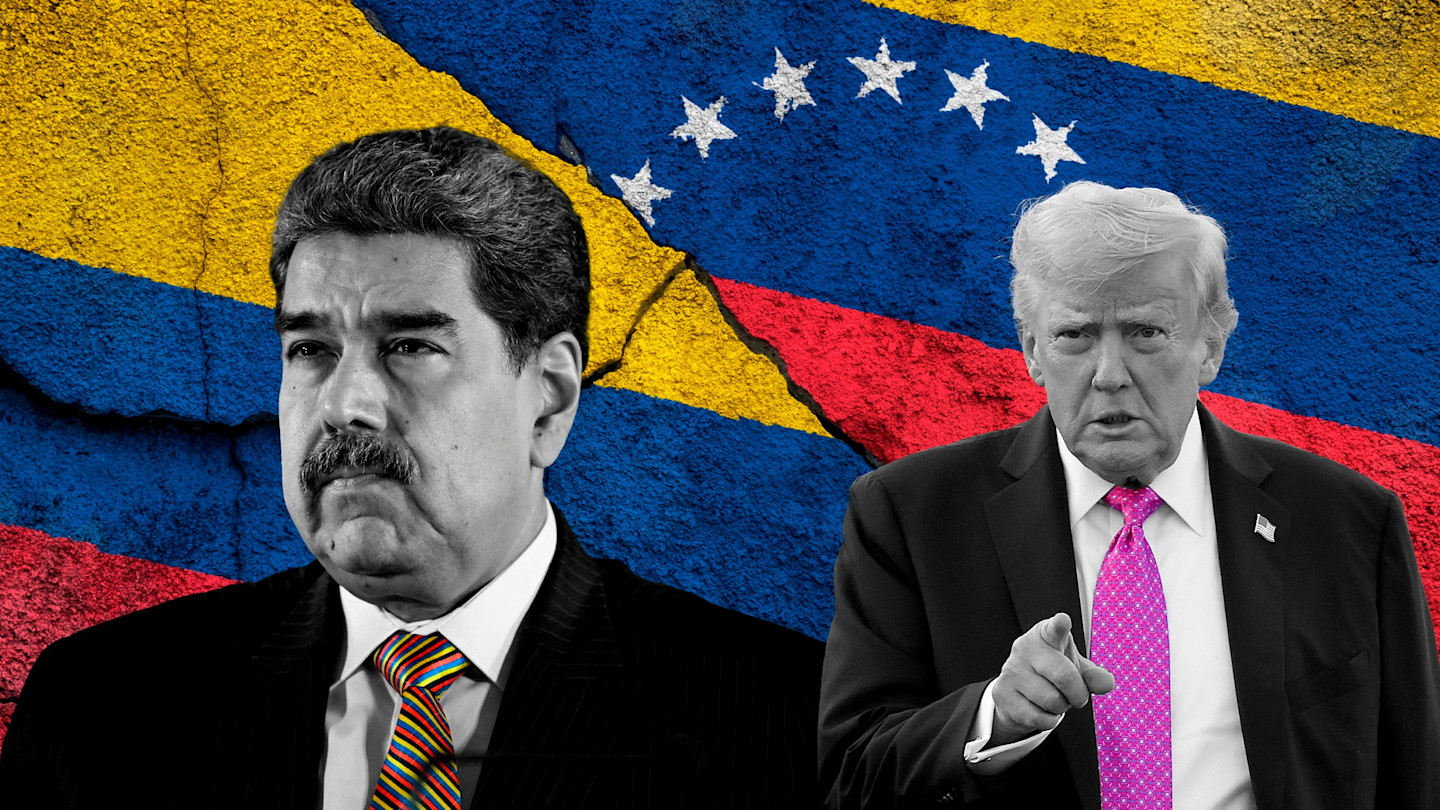
In the early hours of Saturday morning, the United States launched a surprise military operation against Venezuela, resulting in the capture of President Nicolás Maduro and his wife, Cilia Flores.
The attack, ordered by President Donald Trump, has been described by him as “an assault like people have not seen since World War II.” Trump declared that the US would now “run Venezuela until such time as we can do a safe, proper and judicious transition.”
The move has stunned the international community, raising urgent questions about legality, motives, and the future of Venezuelans.
What Just Happened?
- A US-led military strike removed Venezuela’s sitting president.
- Maduro and his wife were taken into custody and face charges in New York.
- Trump announced that the US would oversee Venezuela until a transition of power is arranged.
- Venezuela, a sovereign nation with the world’s largest oil reserves, is now under US control.
Why Did the US Do This?
Trump’s Justifications
- Narco-terrorism: Trump accused Maduro of running a drug empire harming Americans.
- Humanitarian mission: He framed the intervention as liberation for Venezuelans.
- Oil-funded occupation: Trump insisted the operation would not cost US taxpayers, as Venezuela’s oil would cover expenses.
- Military readiness: He warned more troops could be deployed if “things get messy.”
International and Legal Perspectives
- UN Charter violation: International law forbids military force against another state unless in self-defense or with UN Security Council approval. Neither condition was met.
- Crime of aggression: Legal experts classify the strike as unlawful.
- Imperialism concerns: Global leaders have condemned the move as a modern form of imperialism.
Why Is Maduro So Controversial?
Maduro has ruled Venezuela since 2013, succeeding Hugo Chávez. His tenure has been marked by:
- Hyperinflation and economic collapse.
- Severe shortages of food and medicine.
- Mass migration, with nearly one in four Venezuelans fleeing.
- A crumbling healthcare system.
- Political repression and hundreds of political prisoners.
Millions of Venezuelans lost hope under his rule, but the US intervention raises fears of replacing one crisis with another.
What Happens Next?
The US has removed Maduro but has not dismantled the system that sustained him. There is:
- No clear leadership plan.
- No roadmap for governance.
- No international consensus.
For Venezuelans, the future is uncertain. While many suffered under Maduro, the prospect of foreign control, especially one tied to oil interests, leaves the country at risk of becoming a pawn in global power struggles.
The Bigger Picture
This intervention highlights the tension between humanitarian rhetoric and geopolitical realities. Venezuela’s vast oil reserves make it a strategic prize, but international law and global opinion cast doubt on the legitimacy of the US action.
The world is watching closely. For Venezuelans, the hope is not just for relief from dictatorship, but for a future free from external domination.


