







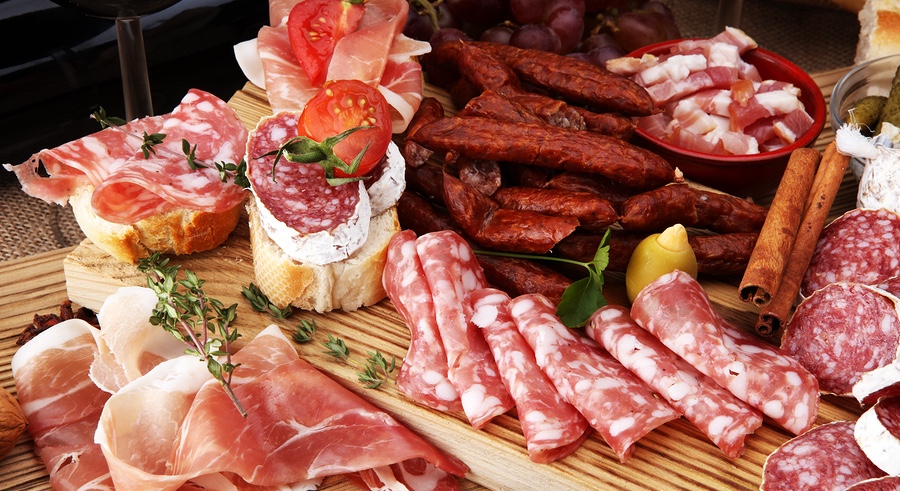
The World Health Organisation’s International Agency for Research on Cancer (IARC) has classified processed meats such as bacon, ham, and sausages as Group 1 carcinogens, the same category as tobacco, asbestos, alcohol, and arsenic. This means there is sufficient evidence that these foods can cause cancer in humans, particularly colorectal (bowel) cancer.
The Evidence
- Processed meats (Group 1 carcinogens): Proven to cause cancer.
- Red meat (Group 2A carcinogen): “Probably carcinogenic to humans,” with links to pancreatic and prostate cancer.
- Risk increase: Eating 50 grams (about two slices of bacon) daily raises colorectal cancer risk by 18%.
- Expert view: Dr. Kurt Straif of IARC emphasized that while the individual risk is small, the widespread consumption of processed meat makes the global impact significant.
How Meat Becomes Risky
- Processed meats are preserved by smoking, curing, salting, or adding chemical preservatives.
- These processes can produce carcinogenic compounds, which damage cells and increase cancer risk.
- Cooking red meat at high temperatures (grilling, barbecuing) may also generate harmful chemicals.
The Debate
- Health researchers: Welcomed the classification, seeing it as a step toward better public awareness.
- Meat industry: Strongly rejected the comparison with cigarettes, arguing that meat provides essential nutrients and should not be equated with smoking.
- Long-standing warnings: The World Cancer Research Fund has for years advised limiting processed meat and keeping red meat intake below 500g per week.
What This Means for You
- Moderation is key: Eating processed meat occasionally is not the same as smoking a pack of cigarettes daily, but regular consumption increases risk.
- Dietary guidance: Experts recommend minimizing processed meat intake and balancing diets with plant-based proteins, fish, and poultry.
- Public health impact: Even small individual risks can translate into large numbers of cancer cases worldwide due to high consumption rates.
In short: The WHO’s classification doesn’t mean you must cut out meat entirely, but it does underscore the importance of limiting processed meats and being mindful of how much red meat you consume.


