



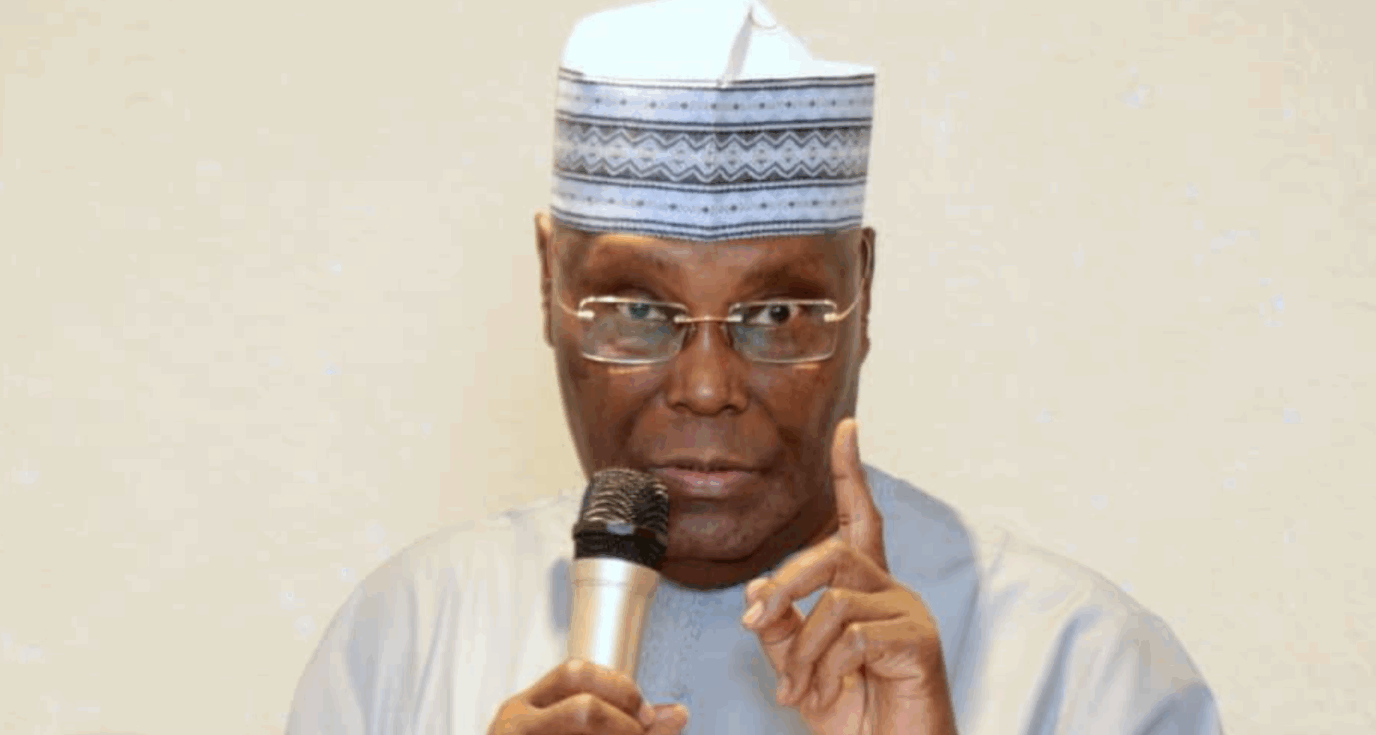




The Peoples Democratic Party (PDP) has faulted the supreme court’s judgement affirming the president’s powers to declare a state of emergency and suspend elected officials in any part of the country.
In March, President Bola Tinubu imposed emergency rule in Rivers, suspended Siminalayi Fubara, governor of the state, and Ngozi Odu, his deputy, and the house of assembly for six months.
Governors elected on the platform of the PDP questioned the legality of the president’s actions, particularly on whether he can lawfully suspend or interfere with the offices of a governor and deputy governor, replacing them with a sole administrator.
The governors subsequently challenged the emergency rule at the supreme court, arguing that Tinubu violated the provisions of the 1999 Constitution regarding the powers, independence and functions of state governors and assemblies.
But delivering judgement on Monday, the supreme court upheld the president’s powers to declare a state of emergency and suspend elected officials within a set timeframe to forestall a breakdown of law and order.
Mohammed Idris, who read the majority judgement, said section 305 of the 1999 Constitution gives the president the discretion to decide what measures to take during a state of emergency.
In a split decision of six to one, the apex court also held that the president could suspend elected officials for a limited period.
The court subsequently struck out and dismissed the plaintiffs’ suit for want of jurisdiction.
Tinubu lifted the Rivers’ emergency rule in September.
However, in a statement on Monday, Ini Ememobong, PDP spokesperson, described the supreme court ruling as a “dangerous democratic bend with far-reaching implications” for federalism and constitutional governance.
“While we respect the authority of the apex court and recognise its finality within our jurisdiction, we are nevertheless compelled to draw attention to the grave dangers that can emanate from the interpretation of the reasoning in this judgement on the political landscape of our country,” the statement reads.
“Our concern is anchored on the age-long principle of law that the express mention of one thing excludes others (expressio unius est exclusio alterius), and the clear constitutional position that no person or institution (other than the state house of assembly or a court of law) is empowered to remove a governor from office, even temporarily, during the subsistence of a constitutional term.
“To hold otherwise is to create a pathway by which a president, with the active support of the national assembly, can compel political alignment or compliance through the instrumentality of emergency powers in ways not envisaged by the constitution.”


